How Often Does Gum Disease Treatment Require Maintenance?
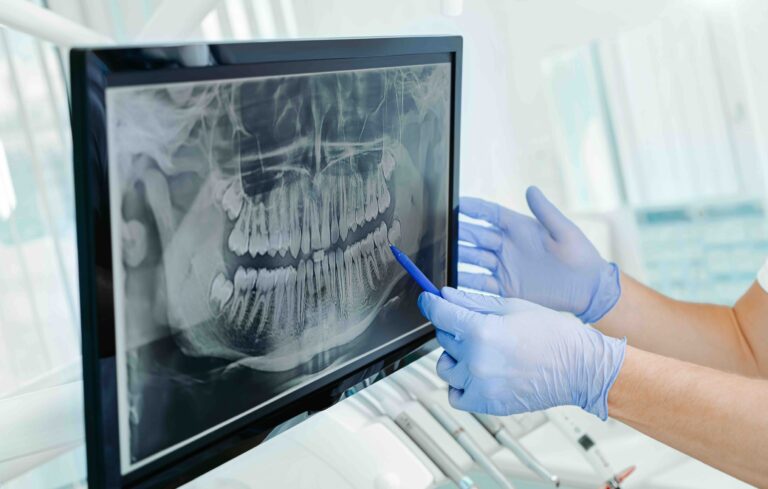

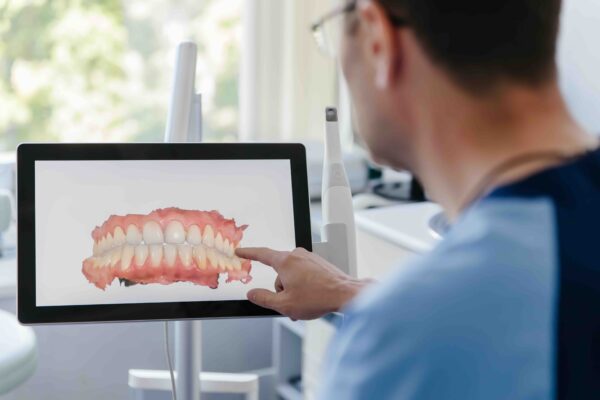
Gum disease treatment is rarely a one-and-done event. That surprises a lot of people, especially patients who feel much better after a deep cleaning or a periodontal procedure and assume the problem is behind them. The reality is simpler and more demanding at the same time. Gum disease is an infection driven by bacteria, but it is also a chronic condition shaped by anatomy, habits, immune response, and how consistently plaque is controlled after treatment. Once the tissues around the teeth have been damaged, the mouth often needs a different level of maintenance than it did before.
That does not mean every patient is locked into frequent dental visits forever. It means maintenance is tailored. Some people do well on three-month periodontal maintenance visits for years. Others stabilize and can stretch appointments a bit, though usually not as far as the standard six-month cleaning schedule. The right answer depends on how advanced the disease was, how well it responded to treatment, whether there is bone loss, and how reliably home care is keeping inflammation down between visits.
Understanding that maintenance is part of Gum Disease Treatment helps set realistic expectations. It also explains why periodontists and general dentists can sound so persistent about follow-up care. They are not trying to overcomplicate a cleaning schedule. They are trying to keep a chronic disease from waking back up.
Why maintenance matters after active treatment
The first phase of treatment, whether that is scaling and root planing, localized antibiotic therapy, or surgery in more advanced cases, aims to reduce bacterial load and create conditions where the gums can heal. Bleeding often improves. Pockets may shrink. Swelling goes down. Teeth can feel cleaner and less tender. Those are excellent signs, but they do not mean the mouth has returned to a low-risk state.
Gum disease tends to recur because the factors that caused it do not vanish automatically. Plaque reforms every day. Tartar can redevelop in areas that are hard to clean. Deep pockets, root grooves, crowded teeth, old restorations, and exposed root surfaces can all make bacterial control more difficult. If a patient has diabetes, smokes, clenches, breathes through the mouth, or takes medications that reduce saliva, the challenge grows. Maintenance visits are designed to catch those changes early, before mild inflammation becomes another round of attachment loss.
This is one of the most important distinctions patients miss. A regular preventive cleaning is for a mouth that is essentially healthy or at low risk. Periodontal maintenance is for a mouth with a history of gum disease, where the provider expects trouble spots to need close monitoring and where staying ahead of relapse matters far more than polishing teeth.
The maintenance schedule most dentists start with
For many patients, the standard recommendation after active Gum Disease Treatment is every three months. That interval is not arbitrary. In practice, it fits the biology of how bacterial populations repopulate periodontal pockets and the clinical reality of how quickly inflammation can return in susceptible patients.
Three months gives the gum tissues enough time to show whether they are staying stable, but not so much time that a relapse has months to gain momentum unnoticed. It also creates a rhythm. Patients who struggled with home care often improve when they know they will be re-evaluated four times a year. Small corrections happen sooner. A rough crown margin can be adjusted. A flossing technique can be changed. Bleeding in one area can be tracked rather than ignored.
That said, not every person remains on a strict three-month schedule forever. Some need visits more often. Others may eventually move to four-month intervals if their gums remain stable over time and their risk profile improves. In some practices, six-month intervals are reserved for patients whose periodontal diagnosis was very mild, whose tissues have been healthy for a long stretch, and whose home care is consistently excellent. Even then, many clinicians stay cautious.
What happens at a periodontal maintenance visit
Patients sometimes assume a maintenance visit is just a regular cleaning with a different billing code. Clinically, it is more involved. The visit is usually built around surveillance as much as cleaning.
The provider checks the gum tissues for bleeding, inflammation, and recession. Pocket depths may be measured or spot-checked, especially in areas with past disease. Mobility, furcation involvement in molars, plaque retention factors, and changes in bone support may be reviewed over time. The actual cleaning focuses on disrupting bacterial biofilm above and below the gumline and removing deposits from root surfaces where needed. Sometimes a site-specific treatment is recommended if one area is not behaving like the rest.
This matters because gum disease rarely relapses in a perfectly even pattern. A patient can have stable tissue almost everywhere and one lower molar with a persistent five or six millimeter pocket that keeps bleeding. That one site can dictate the next step, from additional local debridement to an antimicrobial rinse strategy or a referral back to a periodontist.
How disease severity changes the maintenance picture
A person treated for mild gingival inflammation that had just begun to affect attachment levels is not in the same category as someone who has generalized bone loss and several deep pockets. Severity changes the amount of maintenance required, the margin for error, and how much flexibility exists in scheduling.
With early disease, the tissues may respond quickly once plaque and tartar are removed. If the patient adopts strong brushing and interdental cleaning habits, maintenance can feel straightforward. The goal is preventing progression.
With moderate to severe periodontitis, the long game is more complex. Bone that has been lost does not simply grow back on its own in most cases. Gum contours may change. Root surfaces stay more exposed and are easier to recolonize with plaque. Deep or anatomically difficult areas remain vulnerable. Maintenance is less about restoring a pristine baseline and more about preserving what support remains.
That is why two patients can both say they had gum treatment, yet receive very different follow-up recommendations. The frequency is not based on a generic rule. It reflects how much support around the teeth has already been compromised and how easy or difficult it will be to keep those sites stable.
The risk factors that usually shorten the interval
Some patterns show up repeatedly in clinical practice. When these are present, maintenance tends to be more frequent and more important:
- smoking or vaping nicotine regularly
- diabetes that is poorly controlled or fluctuating
- persistent deep pockets or bleeding after treatment
- difficulty cleaning due to crowded teeth, bridges, implants, or dexterity issues
- a history of rapid bone loss or repeated periodontal relapse
A patient who smokes and misses maintenance visits is one of the clearest examples of why interval matters. The gums may not bleed dramatically, so the mouth can look deceptively calm while damage continues underneath. On the other hand, a non-smoker with excellent plaque control and shallow stable pockets may earn more flexibility over time. The risk profile drives the schedule far more than preference alone.
When three months is not enough
There are situations where even a three-month recall is too far apart. That is not the norm, but it does happen. A patient recovering from periodontal surgery may need closer checks early on. Someone with advanced disease, active inflammation, and several areas that are difficult to debride might come in every six to eight weeks for a period of time. Patients starting treatment while also trying to bring diabetes under control often benefit from more frequent support, because as systemic control improves, the tissue response may improve too.
The need for shorter intervals can also be temporary. Think of it as an intensive phase of maintenance. Once the gums stop bleeding consistently, pocket depths stabilize, and home care becomes reliable, the interval may lengthen. Good clinicians do not keep everyone in the same box indefinitely. They adjust based on what the tissues are actually doing.
When the interval can sometimes be extended
Patients naturally ask whether they can return to the familiar six-month cleaning schedule. Sometimes the answer is yes, but usually only after a sustained period of stability and only in carefully selected cases.
If a patient had relatively mild disease, completed treatment, stopped smoking, improved home care, and has shown low plaque scores and no meaningful bleeding across multiple visits, some practices will trial a longer interval. Others prefer four months rather than six, because it preserves a closer watch without feeling as frequent as quarterly care. This is often a practical compromise for stable patients.
One useful way to think about it is that maintenance frequency is earned, not assumed. Providers want proof that the mouth stays quiet between visits. Not for one appointment, but over time. If the gums remain firm, pocket readings are stable, and there is no new radiographic concern, the schedule can sometimes relax. If bleeding returns or deposits build quickly, the interval usually tightens again.
Home care decides more than most people realize
A person can receive excellent in-office Gum Disease Treatment and still lose ground between visits if daily plaque control is inconsistent. Maintenance appointments support stability, https://messiahqmvx975.quantlynix.com/posts/gum-disease-treatment-for-patients-with-dental-anxiety but they do not replace home care. The biofilm that drives periodontal inflammation reforms quickly, which means what happens every day in the bathroom matters more than what happens every few months in the chair.
That does not always mean doing more. Often it means doing the right things better. Two careful minutes with an electric toothbrush can outperform five rushed minutes with a manual brush. Interdental brushes can be far more effective than floss in open spaces between teeth. A patient with bridges or implants may need threaders, a water flosser, or a specific sequence to reach problem areas consistently.
Many people hear this advice for years without changing habits because they imagine home care has to be perfect. It does not. It has to be effective and repeatable. A simple routine done every day beats an elaborate one done twice a week. In practice, the patients who keep their teeth longest after periodontal therapy are usually not the ones with the fanciest products. They are the ones who actually use them correctly.
Signs that maintenance is working
The goal of maintenance is not just cleaner teeth. It is tissue stability. That shows up in several ways clinically and symptomatically.
- less bleeding during brushing and professional probing
- pocket depths that remain stable or improve slightly
- fewer areas of persistent swelling or tenderness
- no progressive loosening of teeth
- radiographs that do not show continuing bone loss over time
Patients also notice practical changes. Their breath improves. They stop tasting blood when they brush. Sensitive, puffy areas settle down. Food traps may become easier to manage once inflammation decreases. These are not trivial cosmetic benefits. They are signs that the bacterial burden is being controlled well enough to protect the supporting structures of the teeth.
What happens if maintenance is skipped
Skipping maintenance does not guarantee immediate disaster, but the risk climbs fast in mouths with a history of periodontitis. Early relapse can be quiet. By the time a patient notices pain or obvious tooth mobility, the disease may have been active for months.
One pattern shows up repeatedly. A patient feels fine, gets busy, misses several maintenance visits, and returns after a year or two expecting to pick up where they left off. Instead, there is renewed bleeding, deepened pockets, and one or two teeth that have lost more support. At that point, a simple maintenance cleaning is no longer enough. The mouth may need another round of scaling and root planing, surgical treatment, or extraction planning in advanced cases.
This is not meant to sound alarmist. It is simply how chronic periodontal disease behaves. The damage is often cumulative and partly silent. Maintenance is not only cleaning what is there now. It is preventing small setbacks from becoming expensive and irreversible ones.
Special situations that change the plan
Several common scenarios deserve special mention because they affect how often maintenance is needed and what those visits involve.
Dental implants can complicate the picture. A patient who lost teeth to gum disease is often also at higher risk for peri-implant inflammation if plaque control slips. Maintenance around implants requires careful monitoring and the right instruments, because implants do not react exactly like natural teeth. A history of periodontitis makes regular follow-up even more important, not less.
Orthodontic retainers and crowded lower front teeth create another challenge. These areas trap plaque easily and can be difficult to clean well, especially as gum recession exposes root contours. Even very motivated patients can struggle here, so a tighter recall schedule may be sensible.
Age alone is not the deciding factor, but life circumstances can be. Arthritis, reduced vision, caregiver dependence, dry mouth from medications, and cognitive changes all affect home care. In older adults, maintenance often becomes less about motivation and more about adapting tools and schedule to what is realistically manageable.
Pregnancy can temporarily heighten gum inflammation. If someone has a history of periodontal disease and becomes pregnant, the dentist or periodontist may want to monitor more closely during that period, then reassess after hormonal changes settle.
Cost, time, and the trade-offs patients weigh
Maintenance visits are not free, and they do require time. Patients often compare them to the simpler and less expensive rhythm of routine cleanings and wonder whether the added frequency is truly necessary. That is a fair question.
The trade-off is between predictable upkeep and unpredictable repair. Periodontal maintenance costs less than retreatment, surgery, implants, bridges, or tooth replacement after avoidable progression. It also tends to preserve comfort and chewing function better than waiting until symptoms become serious. From a practical standpoint, steady maintenance spreads the burden out. Delayed care often concentrates it into a larger, more stressful block of treatment.
Still, every patient balances finances, transportation, work schedules, and dental anxiety differently. Good treatment planning acknowledges that reality. If someone cannot manage a three-month interval immediately, the answer is not to shame them. It is to prioritize the highest-risk sites, improve home care aggressively, and build the strongest possible maintenance plan within real-life limits.
Questions worth asking your dentist or periodontist
If you have completed Gum Disease Treatment and are unsure how much maintenance you need, ask direct, specific questions. General reassurance is less helpful than understanding your own risk pattern.
You might ask what your deepest remaining pocket measurements are, where you still bleed, whether any teeth or implants need closer watch, and what interval your provider recommends based on your current stability. It is also worth asking what change would justify extending visits and what signs would mean you need to come back sooner. Those answers make the schedule feel less arbitrary and more tied to measurable findings.
When patients understand that maintenance is based on pocket depth, bleeding, bone support, smoking status, diabetes control, and plaque management, they usually accept it more readily. The plan stops feeling like a sales script and starts sounding like what it is, risk management for a chronic disease.
The practical answer most patients need
How often does gum disease treatment require maintenance? Most often, every three months at first. That is the common starting point after active periodontal therapy because it gives the best chance of catching relapse early and supporting healing while new habits take hold.
From there, the interval may stay the same, shorten, or occasionally lengthen depending on how the gums respond. Patients with advanced disease, smoking history, diabetes, deep residual pockets, implants, or inconsistent home care usually need tighter follow-up. Patients with mild past disease and sustained stability may gain some flexibility, often to four months and more rarely to six.
The key point is that maintenance is not an optional add-on to Gum Disease Treatment. For many people, it is the treatment that keeps the earlier work from unraveling. When it is done consistently and paired with strong daily plaque control, it can preserve teeth for many years, even in mouths that once looked headed for major loss. That is the quiet success story behind periodontal care, not a dramatic cure, but steady control.
Dental Group Of Beverly Hills
Address: 8641 Wilshire Blvd #125, Beverly Hills, CA 90211
Phone number: +13109296335
FAQ About Gum Disease Treatment
How to improve gum health quickly?
To improve gum health quickly, eliminate plaque buildup by brushing for two full minutes twice a day at a 45-degree angle to the gumline. Floss daily to clean under the gumline, and rinse with an antimicrobial, alcohol-free mouthwash. For immediate relief of soreness, use a warm saltwater rinse.
What is the fastest way to cure gum disease?
To quickly cure early-stage gum disease (gingivitis), eliminate the plaque buildup causing the inflammation. Brush gently but thoroughly for two minutes twice daily, floss daily, and use an antibacterial mouthwash or a warm saltwater rinse. However, if tartar has hardened, professional treatment is necessary.
How do I treat my gum disease at home?
You can treat early gum disease at home by practicing strict daily oral hygiene, rinsing with salt water or antibacterial mouthwash, and quitting smoking. True gum disease (especially advanced forms like periodontitis) cannot be fully cured at home once tartar forms, and you must see a dentist for professional cleanings.