A Beginner’s Guide to Cosmetic Dental Bonding
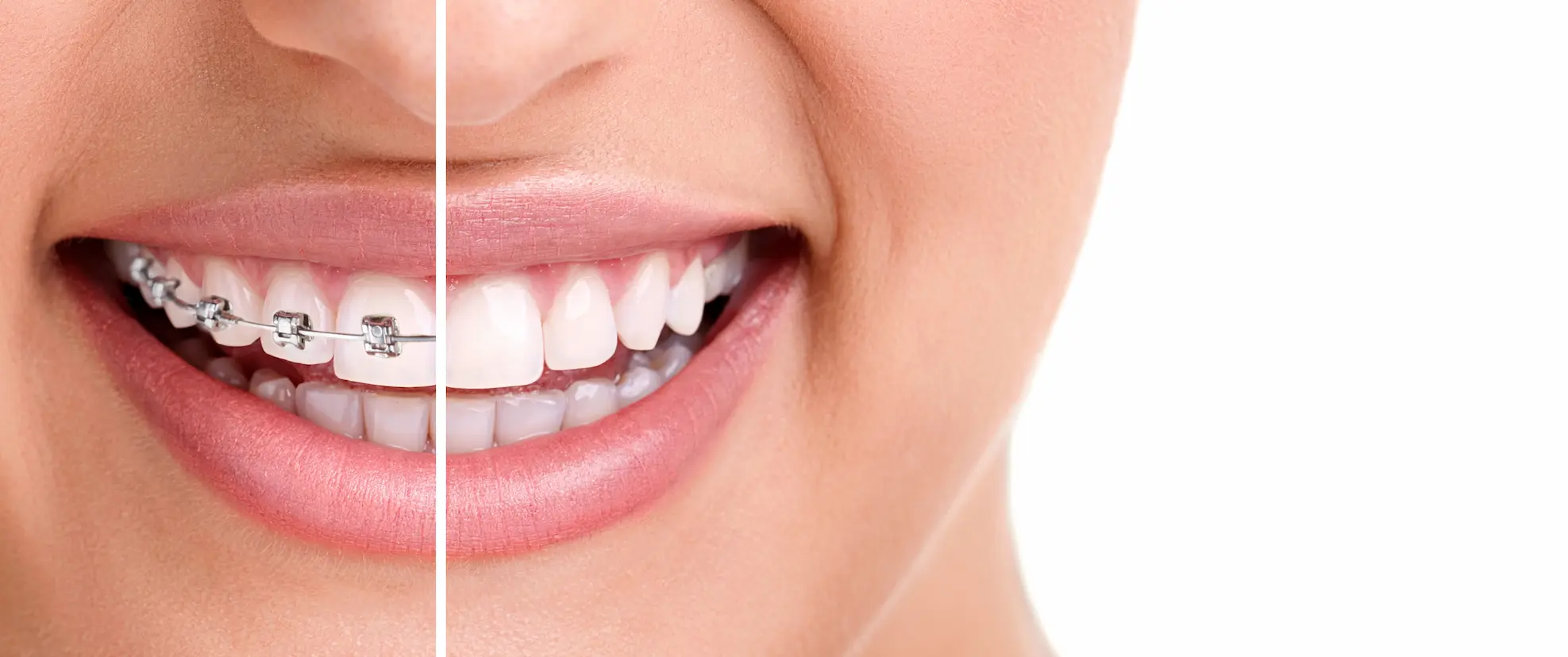
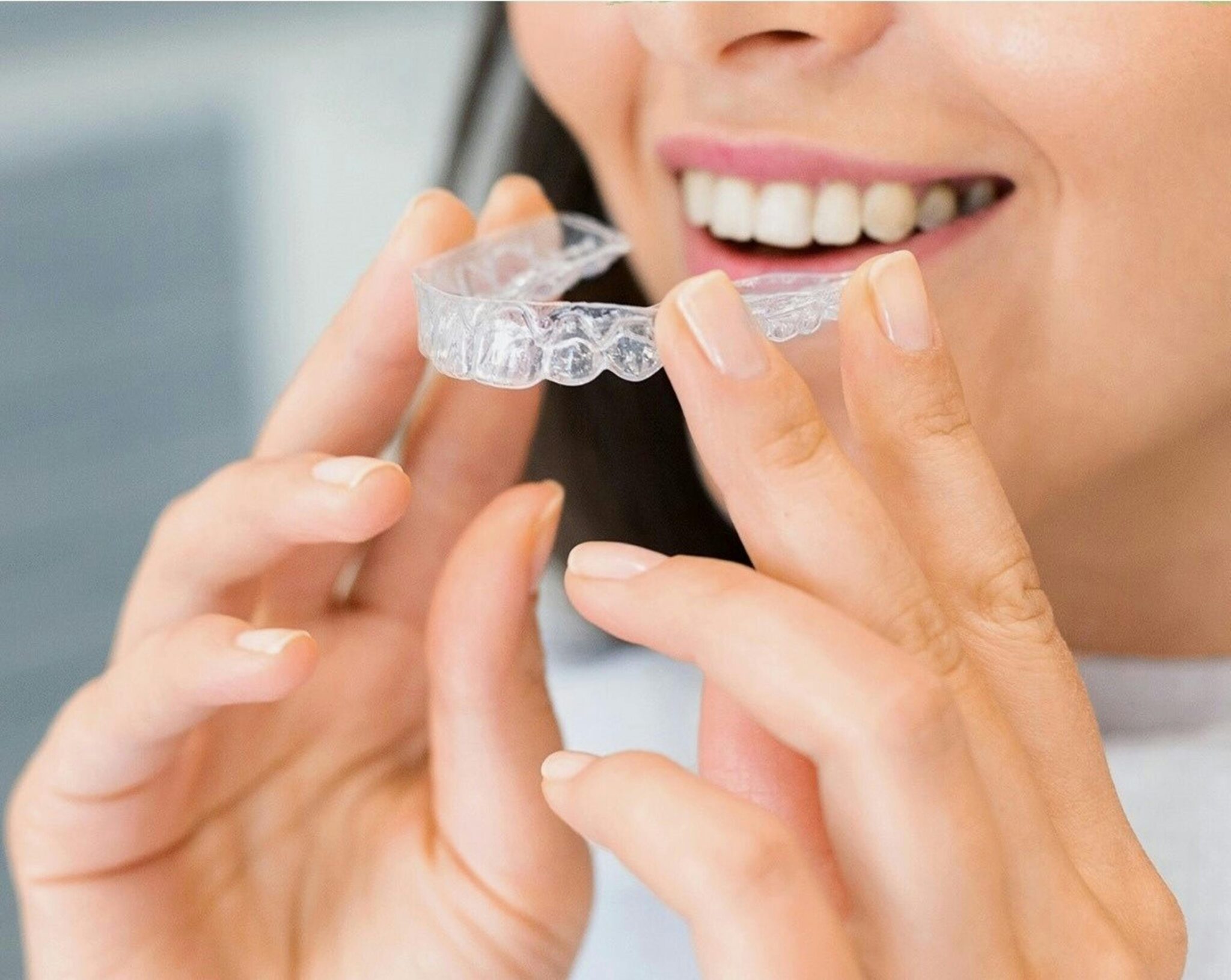
A small chip in a front tooth can change the way a person smiles, speaks, and even poses for photos. So can a narrow gap between the front teeth, a stubborn patch of discoloration, or a tooth that looks slightly undersized next to its neighbors. These are the kinds of concerns that often bring people to ask about cosmetic dental bonding.
Dental Bonding is one of the simplest cosmetic treatments in modern dentistry, but simple does not mean careless. Done well, it can make a noticeable improvement in a single visit, often without drilling, injections, or removing healthy tooth structure. Done poorly, it can look flat, stain early, or chip at the edges. That contrast is why beginners benefit from a clear, practical understanding of what bonding is, what it can and cannot do, and how dentists decide when it is the right tool.
If you are considering it for the first time, the most useful place to start is not with marketing language, but with the material itself and the real-life situations where it performs best.
What cosmetic dental bonding actually is
Cosmetic dental bonding uses a tooth-colored resin, usually a composite material, to reshape or repair a tooth. The resin starts soft, almost like a moldable putty. Your dentist places it directly onto the tooth, sculpts it by hand, and then hardens it with a curing light. Once it sets, the bonded area is refined, polished, and blended to match the surrounding enamel.
That direct, sculpted approach is what makes bonding different from lab-made restorations like veneers or crowns. A veneer is fabricated outside the mouth and later cemented into place. Bonding is created chairside, often in one appointment, with the dentist shaping the final result in real time.
In experienced hands, that can be remarkably precise. A dentist can soften a sharp corner, close a tiny gap, lengthen a worn edge, or hide a patch of discoloration in a way that looks subtle rather than obvious. The artistry matters as much as the material. Teeth reflect light in complex ways, and a good bonding result depends on more than selecting “white.” It involves translucency, contour, surface texture, and how the bonded area catches light next to natural enamel.
Why people choose bonding first
For beginners, Dental Bonding is appealing for a few practical reasons. Cost is one. Compared with porcelain veneers or crowns, bonding is usually more affordable. Time is another. Many cases can be completed in a single visit, which matters to patients who want improvement without weeks of planning.
There is also the question of tooth preservation. In many cosmetic cases, bonding requires little or no enamel removal. That conservative approach is a major advantage, especially for younger patients or anyone hesitant to commit to a more invasive treatment. Once enamel is reduced for a veneer or crown, that change is permanent. Bonding often gives people a chance to improve a smile while keeping future options open.
That said, the word “temporary” is sometimes used too loosely around bonding. It is not a toy fix. Good bonding can last several years and function very well. But it is not as strong or as stain-resistant as porcelain, and that distinction matters when setting expectations.
The kinds of problems bonding can fix well
Bonding works best when the cosmetic issue is modest and the surrounding bite is stable. Think of it as a highly versatile finishing technique rather than a cure-all.
It is commonly used to repair small chips caused by biting a fork, a fall, or normal wear. It can close minor spaces between teeth, especially between the upper front teeth. It can improve the shape of a tooth that looks too short, too narrow, or slightly uneven. It can also cover limited discoloration when whitening alone will not solve the problem.
One of the nicest uses for bonding is harmonizing a smile when the teeth are fundamentally healthy but do not quite match. A lateral incisor may be smaller than expected. A canine may look too pointed. One front tooth may have worn down more than the other. These are not dramatic dental problems, yet they stand out every time a person talks or laughs. Bonding can smooth those irregularities in a very conservative way.
Sometimes it also serves as a thoughtful first step. A patient unsure about committing to veneers may choose bonding as a lower-stakes way to preview a fuller, more balanced look. In practice, that trial aspect can be helpful, because living with a new tooth shape for a few months teaches people more than any digital simulation.
Where bonding has limits
This is the part many beginners do not hear enough about. Cosmetic dental bonding is excellent within its lane. Problems start when it is asked to do the job of a stronger or more comprehensive restoration.
Large bite changes are a common example. If someone grinds heavily, has edge-to-edge contact, or constantly chips the front teeth, bonding may fail repeatedly unless the bite issue is addressed. Similarly, very large spaces between teeth can sometimes be closed with bonding, but the proportions may start to look too wide or unnatural. In those cases, orthodontics or veneers may create a better result.
Deep, dark discoloration can also be tricky. Composite can mask some stains, but severe internal discoloration may show through or require a thicker layer of material, which can compromise the natural shape of the tooth. Bonding is also more vulnerable to staining over time from coffee, tea, red wine, tobacco, and strongly pigmented foods.
Another limit is longevity of polish. Porcelain tends to keep its gloss longer. Composite can look beautiful on day one and still good years later, but it generally needs more maintenance. The more visible the tooth, the more that matters.
What happens during the appointment
For many patients, the ease of the procedure is a relief. A typical bonding visit for a small cosmetic correction can be straightforward. Often there is no need for anesthesia unless decay is being treated or the chip is deep enough to make the tooth sensitive.
The surface of the tooth is first cleaned and prepared. The dentist may lightly roughen the enamel and apply an etching gel to help the bonding material adhere. A liquid bonding agent is then brushed on and cured. After that, the composite resin is added in layers.
Those layers matter. Natural teeth are not one solid block of color. Enamel and dentin interact with light differently, so an attentive dentist may use more than one shade or opacity of composite to imitate depth and vitality. This is one reason front-tooth bonding can take longer than patients expect. It is not just filling space. It is miniature sculpture.
Once the shape is close, the material is hardened with a blue curing light. The dentist then trims, smooths, and polishes the surface, checking how your teeth come together when you bite, speak, and slide the jaw from side to side. A polished, properly adjusted surface is important not only for looks, but for comfort and durability.
In a simple chip repair, the whole process might take under an hour. A more artistic reshaping of several front teeth may take considerably longer. The timeline depends less on the number of teeth than on the amount of detail needed.
Does it hurt?
Usually, no. That is one of the biggest reasons people who avoid dentistry are often open to bonding. When the treatment is purely cosmetic and limited to the outer surface of the tooth, discomfort is minimal. Patients may feel some pressure during polishing or dryness from keeping the area isolated, but pain is uncommon.
Sensitivity afterward can happen, though it is often mild and short-lived. If a bonded area is near the edge of a tooth or the dentist had to make small adjustments to the enamel, cold drinks may feel a bit different for a few days. That usually settles quickly.
How long Dental Bonding lasts
This is one of the most common questions, and the honest answer is that it depends on where the bonding is placed and how you use your teeth. In many cases, cosmetic bonding lasts somewhere in the range of three to ten years. Small edge repairs on someone who bites gently and wears a night guard may last quite well. Larger buildups on a patient who chews ice, bites nails, or clenches can chip much sooner.
Front teeth live hard lives. They help us bite into sandwiches, tear open packets when we should not, hold pens, and absorb the stress of clenching during sleep. Patients are often surprised by how much their habits influence the lifespan of bonding.
Maintenance is part of the deal. Unlike a filling hidden on a back tooth, front bonding is judged by both function and appearance. Even when it stays intact, it may need repolishing, smoothing, or touch-ups over time. Minor repairs are often easier with bonding than with porcelain, which is a real advantage.
Bonding versus veneers and crowns
Patients often ask dentists to compare these options as if one is universally best. In reality, each serves a different purpose.
Bonding is conservative, relatively fast, and usually less expensive. It is excellent for modest cosmetic changes and selective repairs. Veneers are stronger in terms of stain resistance and long-term gloss, and they can achieve more dramatic aesthetic transformations, especially across multiple front teeth. Crowns are usually reserved for teeth that need more structural support, often because of large fillings, fractures, root canal treatment, or significant breakdown.
The trade-off is preservation versus durability. Bonding generally preserves more natural tooth. Porcelain generally offers better longevity and color stability. The right answer often depends on how much change is needed and how hard the patient is on their teeth.
A person with one chipped front tooth and otherwise healthy enamel may be an ideal bonding candidate. A person wanting a complete smile makeover with major color and shape changes across eight front teeth may be better served with veneers. A tooth that is heavily broken down may need a crown, not a cosmetic patch.
Who tends to be a good candidate
Not everyone needs the same treatment, but certain situations consistently favor bonding.
- Small chips, minor cracks, or worn edges on otherwise healthy teeth
- Slight spaces or shape irregularities in the front teeth
- Localized discoloration that whitening cannot correct
- Patients who want a conservative, lower-cost cosmetic option
- People willing to maintain the result and avoid damaging habits
The opposite is also true. If someone has untreated gum disease, active decay, heavy grinding, or unrealistic expectations about permanence, bonding may not be the right first move. In those cases, the foundation has to be addressed before aesthetics.
The importance of shade matching and smile design
Patients often assume the hardest part of bonding is keeping it attached. In reality, one of the hardest parts is making it disappear. Natural teeth are not uniformly opaque or monochromatic. The edges may be more translucent. The middle third often reflects light differently than the area near the gums. Tiny details in shape, line angles, and luster can make a bonded tooth blend in or stand out.
This is why a front-tooth repair that looks acceptable in https://privatebin.net/?2a2f69035e52aa99#2TYHNaNq8x8M9nMcEXVQYFMA71j9sEZgU2WYicUkgQ8x a bathroom mirror may still look wrong outdoors or under restaurant lighting. A skilled cosmetic dentist thinks about lighting conditions, neighboring teeth, lip position, and facial symmetry. They also think about restraint. Sometimes the best aesthetic outcome is not the whitest or most symmetrical option, but the one that fits the patient’s age, face, and natural dentition.
I have seen patients thrilled by very small refinements. A two-millimeter chip repaired on a central incisor can restore confidence completely if the texture and translucency are right. I have also seen overbuilt bonding that technically closed a gap but made the teeth look bulky and artificial. Bigger is not always better.
What bonding costs, and why fees vary
Fees for cosmetic dental bonding vary widely by location, complexity, and the dentist’s experience. A simple repair to a small chip is very different from carefully reshaping several front teeth to improve symmetry and proportion. Time, shade layering, finishing, and bite refinement all affect cost.
This is one area where the cheapest quote can become expensive later. If the bonding is rough, overcontoured, or poorly adjusted, it may stain quickly, collect plaque at the margins, or chip under bite pressure. A better result often reflects time and judgment, not just material. Composite resin itself is not the expensive part. The planning and execution are.
Insurance may cover bonding when it repairs damage or addresses a functional issue, but purely cosmetic treatment is often an out-of-pocket expense. Policies differ, so it is worth checking before the appointment.
Caring for bonded teeth day to day
Bonded teeth do not require exotic products, but they do benefit from sensible habits. The basics, brushing twice daily with a non-abrasive toothpaste and cleaning between teeth, matter because the resin margins need to stay healthy and plaque-free. Gum inflammation around a beautifully bonded front tooth can undermine the whole effect.
Staining habits deserve attention too. Composite can discolor over time, especially when exposed frequently to dark beverages and tobacco. That does not mean you need to give up coffee forever, but it does mean moderation helps. Rinsing with water after staining drinks, using a straw when appropriate, and keeping up with cleanings can preserve the appearance longer.
A night guard is worth discussing if you clench or grind. Many cosmetic bonding failures are not material failures at all. They are force problems.
- Avoid biting ice, pens, fingernails, and hard candy with bonded front teeth
- Keep regular dental checkups so rough edges or bite issues are caught early
- Ask about a night guard if you wake with jaw tension or wear facets on your teeth
- Limit smoking and heavy exposure to stain-causing drinks
- Return promptly if a bonded edge feels sharp or looks chipped
Small repairs are often easiest when handled early. A tiny nick can sometimes be polished or patched quickly. Left alone, it may attract more stress and become a bigger fracture.
Can bonding be whitened later?
This trips up many patients. Composite resin does not whiten the way natural enamel does. If you bleach your teeth after bonding, the natural teeth may get lighter while the bonded area stays the same shade. That can create a mismatch.
For patients considering both whitening and bonding, the usual approach is to whiten first, let the shade stabilize, and then place bonding to match the new color. If you already have bonding and want a lighter smile, you may need the bonded areas replaced or modified after whitening.
This is a good example of why sequencing matters in cosmetic dentistry. The treatment itself may be simple, but the plan should still be thoughtful.
Questions worth asking before you commit
A consultation for Dental Bonding should feel specific, not generic. The dentist should explain why bonding is being recommended instead of another option, how long the result is likely to last in your particular bite, and whether your habits raise the risk of chipping or staining. If the bonding will be on visible front teeth, ask to see before-and-after cases of similar work, ideally done by that dentist.
It is also reasonable to ask how much tooth structure needs to be altered, whether the result can be repaired if it chips, and what maintenance might look like over the next few years. Some patients benefit from a wax-up, photos, or a mock-up, especially if multiple teeth are being reshaped.
The more visible the change, the more communication matters. Cosmetic treatment is not just about correcting a defect. It is about matching an outcome to a person’s face, preferences, and tolerance for upkeep.
When beginners are happiest with bonding
The patients who tend to love bonding most are those who want improvement, not perfection. They often have healthy teeth and a focused complaint, one chip, one small gap, one uneven edge that has bothered them for years. Bonding shines in that territory. It can be elegant, conservative, and immediate.
It is also well suited to people who appreciate flexibility. Because little natural tooth is removed in many cases, future options usually remain open. A bonded tooth can often be revised, repaired, or, if needed later, transitioned to a veneer or another restoration.
That flexibility is valuable in real life. Tastes change. Smiles age. Dental needs evolve. A treatment that solves today’s problem without overcommitting tomorrow’s tooth is often a wise place to begin.
For someone just learning about cosmetic dentistry, that is the central idea to keep in mind. Dental Bonding is not the most dramatic treatment, and it is not the most permanent. It is often the most practical. When the case is chosen well and the work is done with care, it can deliver exactly what many people want: a natural-looking smile improvement that feels easy, sensible, and genuinely worth it.
Toothworks of Bakersfield, Dentist and Orthodontist
Address: 1030 H St #1, Bakersfield, CA 93304
Phone number: +16613239421
FAQ About Dental Bonding
How long does dental bonding last?
Dental bonding typically lasts between 3 and 10 years (averaging about 5 to 8 years) before it needs a touch-up or replacement. Its lifespan depends heavily on your daily habits, where the bonding is placed in your mouth, and how well you care for your teeth.
How expensive is bonding a tooth?
Dental bonding typically costs between $100 and $600 per tooth, with a national average of about $431 per tooth.
What are the downsides of dental bonding?
Dental bonding has several drawbacks, including lower durability, a shorter lifespan, and a tendency to stain compared to alternatives like porcelain veneers.